
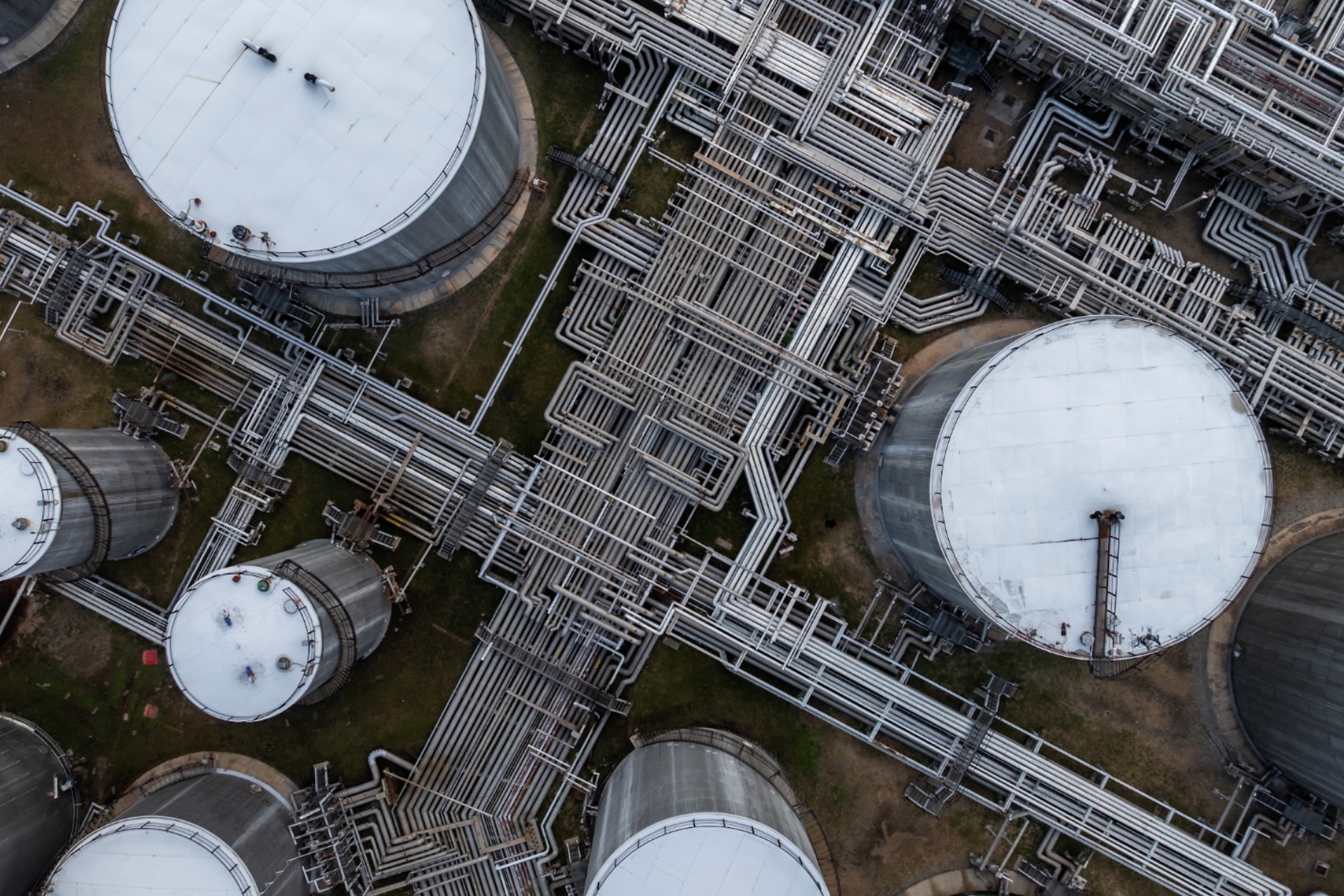
Energy is often analyzed from the perspective of how much is produced or how much it costs. However, there is an equally important component that rarely receives the same attention: the infrastructure that allows it to be transported, stored, distributed, and brought to where it is actually needed.
For any industrial company, energy availability represents much more than a service. It is an essential condition for maintaining operations, planning investments, and responding to growing demand.
Energy Needs Infrastructure
Having energy resources is not enough. Between the point of origin and the final consumer lies a chain that can include terminals, storage facilities, port facilities, specialized transport, and distribution systems.
When any of these components presents limitations, the consequences can spread throughout the entire productive chain.
For this reason, energy infrastructure must be understood as a strategic competitiveness tool.
Operational Continuity
One of the main objectives of a corporate energy strategy should be to reduce vulnerabilities.
Diversifying supply routes, having sufficient logistical capacity, establishing contingency mechanisms, and anticipating demand variations make it possible to reduce the risk of interruptions.
For industries with continuous operations, even a few hours without supply can represent significant losses.
Infrastructure and New Investments
Industrial growth also generates new energy needs.
When a company analyzes where to set up a plant, logistics center, or industrial complex, factors such as energy availability, reliability, and capacity are part of the decision.
This makes energy infrastructure a factor directly linked to attracting investment.
A Long-Term Vision
The energy future does not depend solely on incorporating new generation sources. It also requires modernizing existing infrastructure and developing systems capable of integrating different energy alternatives.
Industrial competitiveness will increasingly depend on the ability to build secure, efficient, diversified, and adaptable supply chains.
For organizations like OXYNRG, understanding this relationship between infrastructure, logistics, and energy allows the sector to be analyzed from a comprehensive perspective: not only how to obtain energy, but how to guarantee that it reaches the right place, at the right time, and under proper conditions.