Purpose
Make a positive impact on the community by providing energy and building infrastructure.

Strategic infrastructure · Mexico
A century of building strategic infrastructure to solve Latin America’s energy and supply challenges.
Who we are
We are a 100% Mexican company specializing in the supply, development, operation and integration of infrastructure for the energy, industrial, logistics and port sectors.
Discover capabilities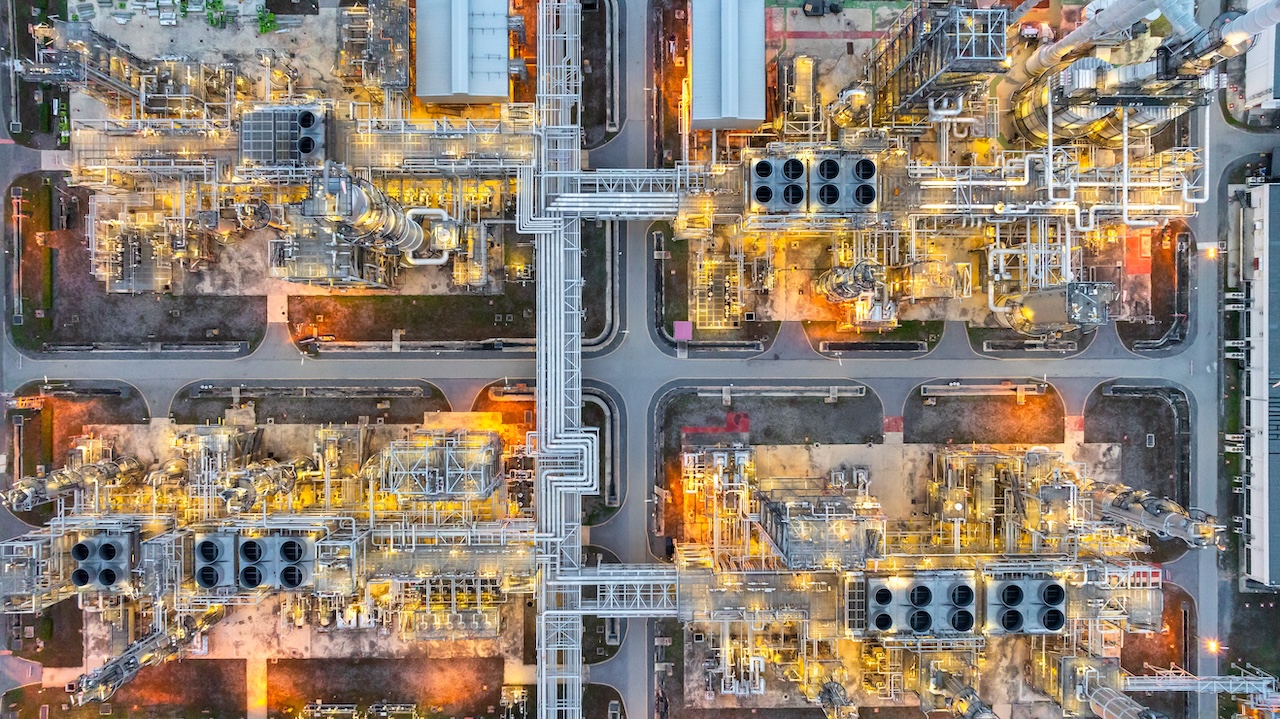
Years of operating experience passed down through four generations.
Four generations
Since 1926, operating experience has evolved into infrastructure, technology and new solutions for a constantly changing industry.
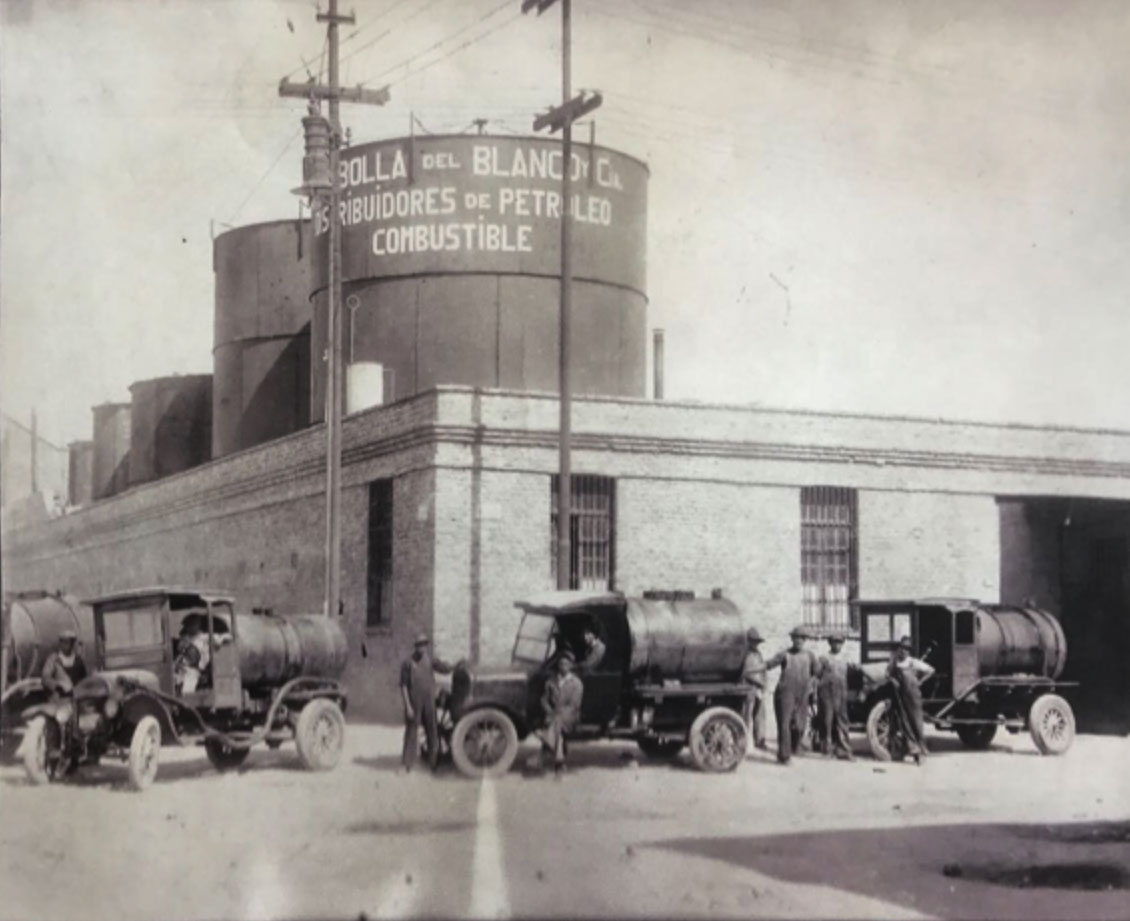 Origins

Make a positive impact on the community by providing energy and building infrastructure.
Develop sustainable and efficient solutions that drive our clients forward.
Become Latin America’s leading strategic infrastructure operator.
Business lines
Select a division to explore its specialized solutions.
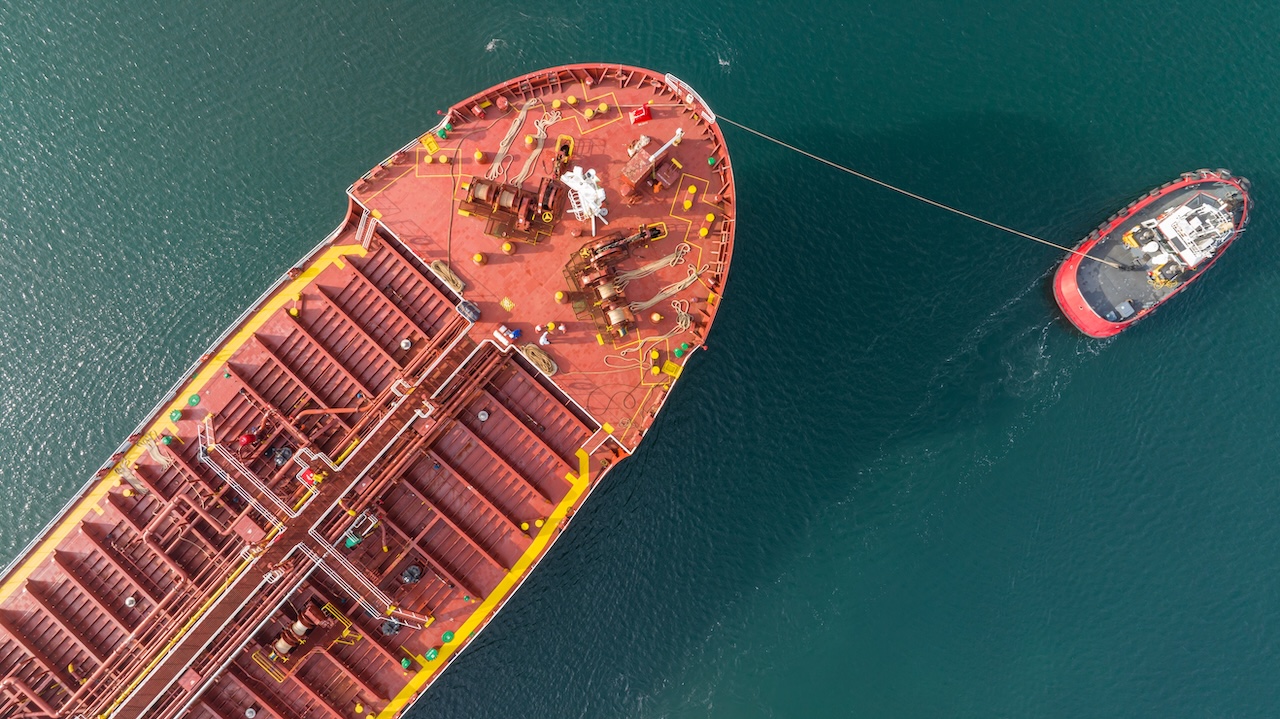
Operating capabilities
Infrastructure design and development
Operations, maintenance and integration
Transportation, transfer and supply
Technology, measurement and control
National presence
Storage, transportation and maritime logistics capabilities at strategic locations across the country.
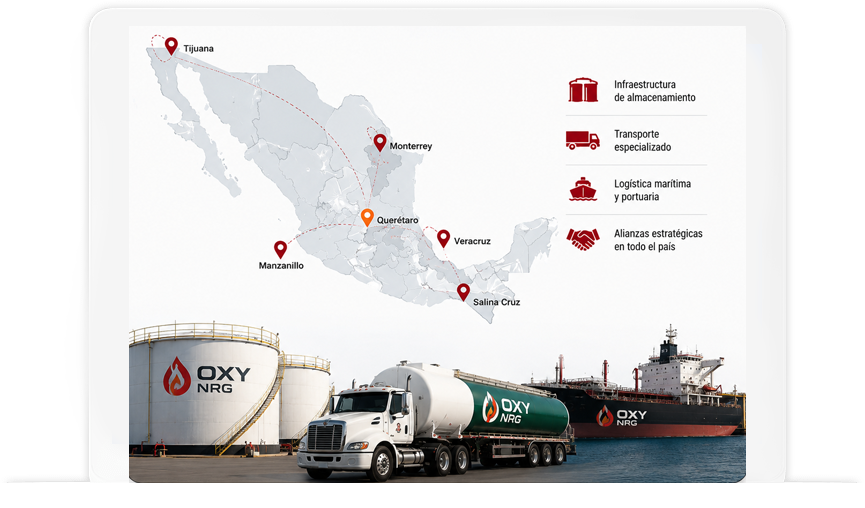
Operations in focus
Governance and compliance
Corporate governance, permits and concessions that support operations with integrity, safety and a long-term vision.

Zero tolerance for any form of corruption or fraud.

Operational integrity management designed to reduce risks and incidents.

Local development and respect for the heritage of every region.
OXY News
Projects, operations and insights on energy infrastructure.
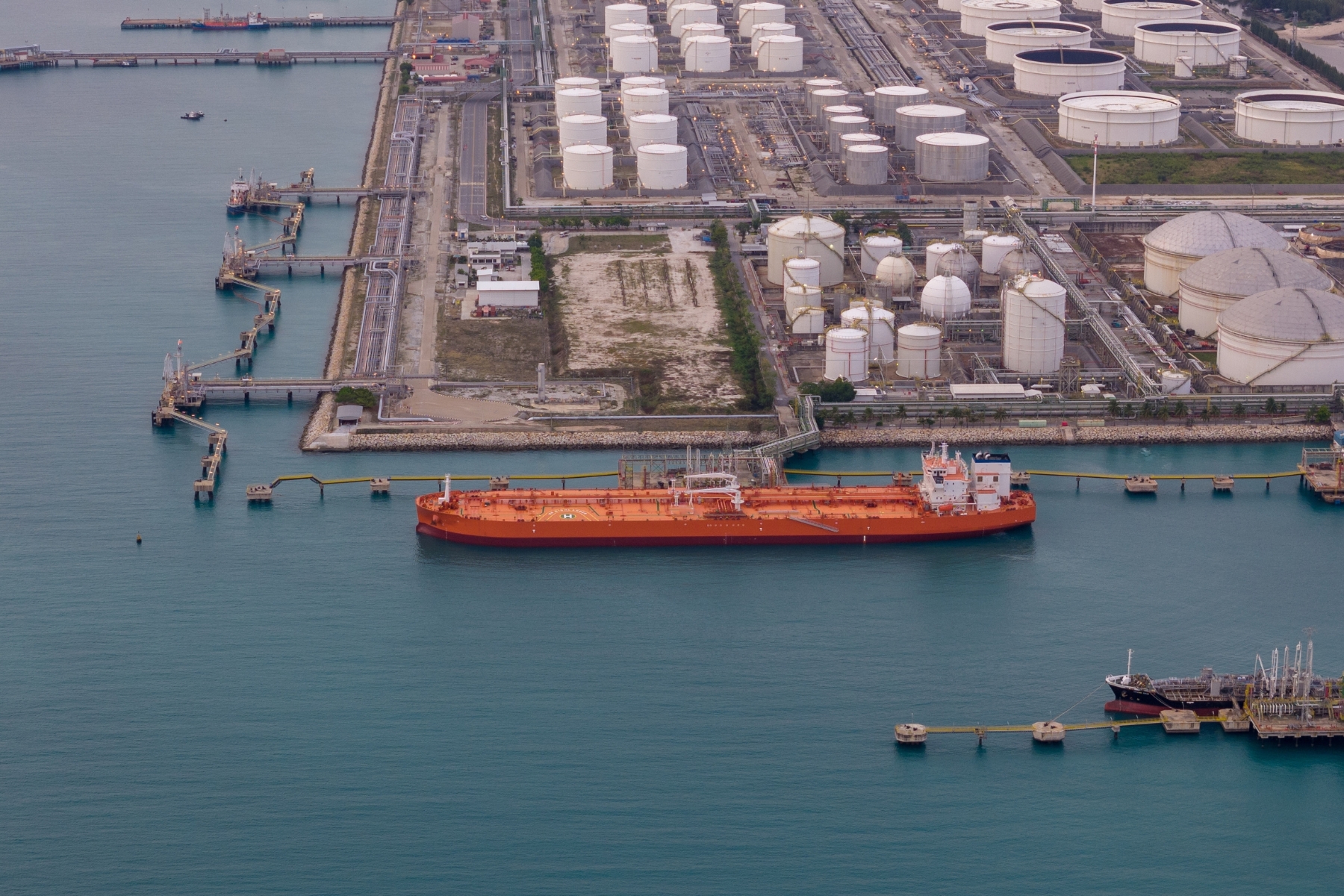 13.09.2026
Why Hire Oxy Services Fuel for Operational Continuity in Mining and Manufacturing Plants?
In the mining and manufacturing sectors, an unscheduled power interruption can paralyze massive production lines and generate critical financial losses. Contracting your supply wi…
13.09.2026
Why Hire Oxy Services Fuel for Operational Continuity in Mining and Manufacturing Plants?
In the mining and manufacturing sectors, an unscheduled power interruption can paralyze massive production lines and generate critical financial losses. Contracting your supply wi…
OXY News · 13.09.2026
In the mining and manufacturing sectors, an unscheduled power interruption can paralyze massive production lines and generate critical financial losses. Contracting your supply with Oxy Services combustible guarantees uninterrupted operational continuity for your plant through an end-to-end, fully secured supply chain. Unlike marketers without physical assets, this model integrates the direct and legal importation of clean fuels—such as Ultra-Low Sulfur Diesel (ULSD) compliant with the NOM-016-CRE-2016 standard—with its own storage capacity and last-mile distribution.
By partnering with Oxy Services, high-demand companies achieve maximum delivery certainty, audited volumetric control, and the ability to structure customized commercial contracts with financial hedges to stabilize their operating costs.
➤ Click here to request a consumption diagnostic with an OXY specialist and secure your operation.
Choosing OXY NRG means establishing a strategic alliance with a long-term operator and facilitator of real infrastructure assets:
Owned Physical Infrastructure: The group operates, manages, and maintains storage terminals, transfer racks, and dispatch systems without relying on third parties.
Century-Long Expertise: With a fuel management tradition dating back to 1927, the corporate group brings together more than 10 specialized companies in the energy sector.
Governance and Total Safety: Operates under an Operational Integrity Management System (SGIO) with a track record of zero major incidents or spills, backed by due diligence processes (Know Your Customer / KYC) and fully compliant, transparent diesel import declarations.
The Integrated Energy Logistics service is the definitive solution for companies requiring an uninterrupted fuel flow. This model encompasses end-to-end logistics management of the land supply chain: from collection at port or storage terminals and automated tanker filling with OXYLOADER technology, to regulated freight and last-mile delivery directly into your plant or mine's receiving tanks. This allows companies to delegate supply chain complexity and focus exclusively on maximizing industrial output.
Do not compromise the productivity of your mine or factory with suppliers lacking storage assets or legal traceability. At OXY NRG, we structure bulk supply contracts tailored to your volumetric and financial requirements.
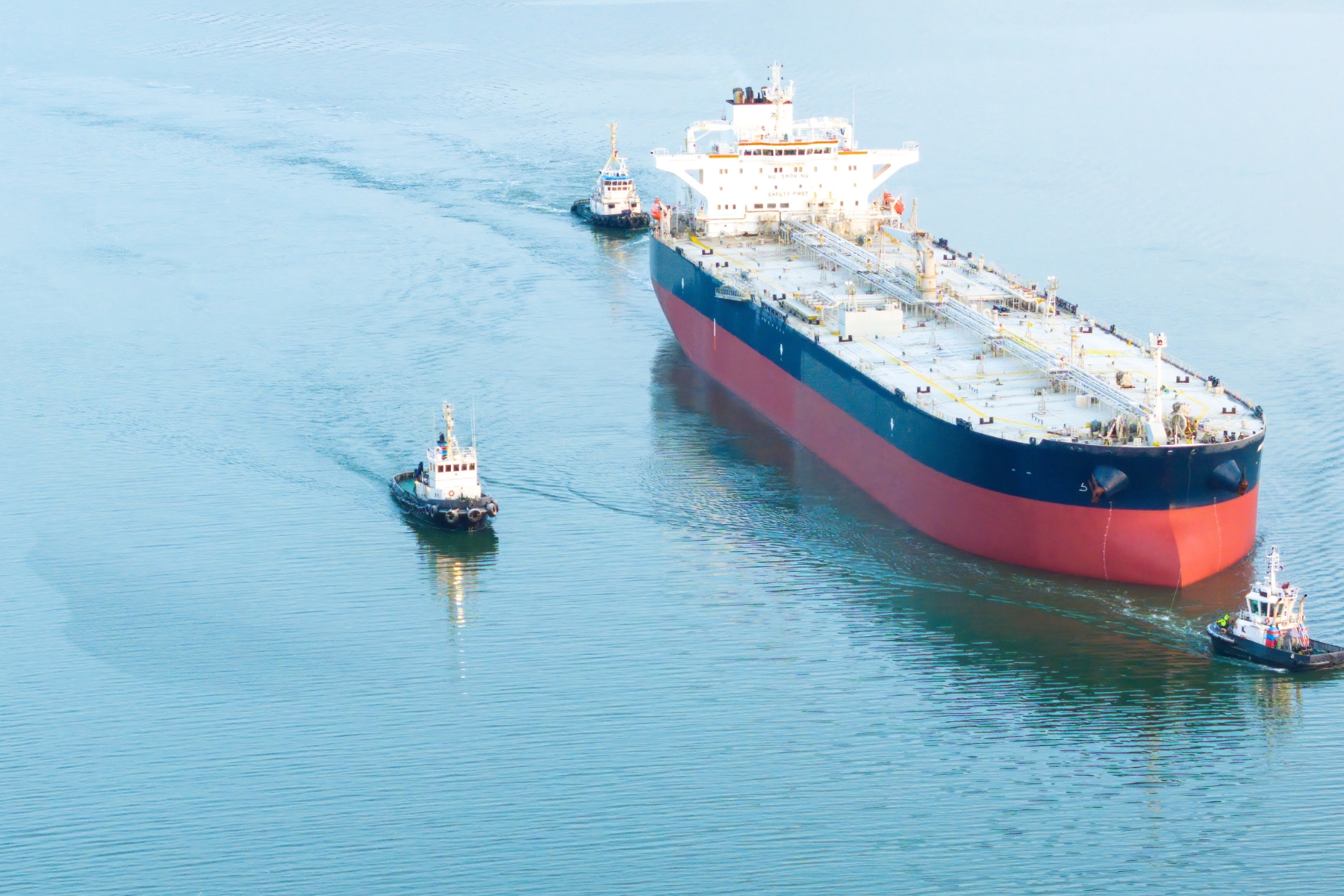 13.09.2026
Petroleum Products Logistics in Mexico: Oxy Services' Supply Infrastructure and Commercial Distribution
Petroleum products logistics in Mexico demands solutions that extend beyond simple commercial brokerage. The supply infrastructure and commercial distribution of Oxy Services has…
13.09.2026
Petroleum Products Logistics in Mexico: Oxy Services' Supply Infrastructure and Commercial Distribution
Petroleum products logistics in Mexico demands solutions that extend beyond simple commercial brokerage. The supply infrastructure and commercial distribution of Oxy Services has…
OXY News · 13.09.2026
Petroleum products logistics in Mexico demands solutions that extend beyond simple commercial brokerage. The supply infrastructure and commercial distribution of Oxy Services has established itself as a strategic backbone for the industrial energy sector, connecting maritime and land terminals from coast to coast. This comprehensive model spans from the legal importation of Oxy Services fuel (such as Ultra-Low Sulfur Diesel) and secure storage to automated transfer operations and last-mile delivery.
By owning physical assets, holding active permits with the Energy Regulatory Commission (CRE) and the Ministry of Energy (SENER), and utilizing patented technological innovations, Oxy Services eliminates paper brokerage—ensuring operational continuity, fiscal certainty, and strict volumetric control for the country's major energy consumers.
The Oxy Services infrastructure operates through a multimodal logistics network that strategically links the nation's primary hydrocarbon reception arteries. This coverage extends from the Pacific Ocean and the Sea of Cortez (with operations at the Guaymas Storage Terminal in Sonora) to the Gulf of Mexico (at key terminals such as Tuxpan, Veracruz, and port facilities like Vopak Veracruz). Through this network, fuel is received via tanker ship, stored in terminals with dedicated capacity, and efficiently distributed by authorized tank trucks to consumption centers across the country.
To eradicate physical losses and administrative disputes, the dispatch infrastructure incorporates Custody Transfer Metering Systems, which record delivered weight and volume with fiscal precision. Additionally, the proprietary OXYLOADER patent (registered with IMPI) is implemented in loading and transfer operations. This technology automates tank truck filling and loading rack management, accelerating rack throughput and generating an unalterable digital log that supports the traceability of every batch of Oxy Services fuel.
The entire Oxy Services fuel supply operates under strict regulatory shielding. The product—primarily high-purity Ultra-Low Sulfur Diesel (ULSD) imported from the United States—enters the country in 100% compliance with customs declarations and applicable taxes. Furthermore, independent internationally certified laboratories such as Amspec audit the fuel's molecular composition at the terminal, certifying full compliance with the official Mexican standard NOM-016-CRE-2016 prior to final distribution.
Partnering with OXY NRG means working directly with a long-term operator and facilitator of strategic infrastructure assets, supported by decisive competitive advantages:
Integrated Corporate Ecosystem: Unites more than 10 highly specialized companies covering the hydrocarbon value chain end-to-end (maritime, storage, transport, and marketing).
Strength and Nearly a Century of Expertise: Founded on a fuel management tradition dating back to 1927, the company advances under its fourth generation of leadership toward its institutional centennial in 2027.
Ethical Governance and Zero Incident Rate: Maintains strict due diligence protocols (Know Your Customer / KYC) and operates under an Operational Integrity Management System (SGIO), holding an flawless track record of zero major incidents or spills during operations.
OXY NRG's Integrated Energy Logistics service is designed to solve end-to-end land distribution of fuel for high-demand enterprises. This service includes the management of distribution centers, specialized freight in tank trucks holding CRE Permits for Transport by Means Other than Pipeline, automated loading via patented OXYLOADER technology, and guaranteed last-mile delivery directly into industrial self-consumption tanks or service stations—ensuring a smooth, transparent supply chain free from fiscal risks.
Avoid the vulnerability of working with informal distributors lacking assets. With OXY NRG, secure a supply contract backed by physical storage assets, precision metering technology, and total legal certainty.
➤ Click here to request a quote and schedule a logistics feasibility analysis for your company.
 11.09.2026
Why Choose Oxy Services for Bulk Industrial Diesel Distribution?
Choosing Oxy Services for bulk industrial diesel distribution guarantees your organization an uninterrupted, safe, and fully regulated supply that protects your production lines a…
11.09.2026
Why Choose Oxy Services for Bulk Industrial Diesel Distribution?
Choosing Oxy Services for bulk industrial diesel distribution guarantees your organization an uninterrupted, safe, and fully regulated supply that protects your production lines a…
OXY News · 11.09.2026
Choosing Oxy Services for bulk industrial diesel distribution guarantees your organization an uninterrupted, safe, and fully regulated supply that protects your production lines against supply outage risks and energy market volatility. Unlike marketers without physical assets, this model is backed by real storage infrastructure, digital volumetric control, and the capability to structure tailored Oxy Services fuel contracts with financial hedges to stabilize your costs. All distribution strictly complies with the official standard NOM-016-CRE-2016.
All Oxy Services fuel volume is directly imported through transparent customs and tax compliance frameworks, featuring valid import permits and full tax payments. Furthermore, the purity of the Ultra-Low Sulfur Diesel (ULSD) imported from the United States is certified at the terminal through independent molecular audits conducted by the international firm Amspec, ensuring strict adherence to the NOM-016-CRE-2016 standard.
To eliminate physical losses or discrepancies during high-industry deliveries, the logistics network utilizes its proprietary OXYLOADER patent, registered with the Mexican Institute of Industrial Property (IMPI). This technology automates hydrocarbon loading and transfer, accelerating dispatch at loading racks while generating an unalterable digital log for each batch. Additionally, Custody Transfer Metering Systems are installed to deliver exact operational and fiscal measurements during every product transfer.
Through its marketing division, Oxy Services develops Transaction Structuring. This mechanism enables financial management teams at manufacturing plants and mining operations to establish custom contracts that incorporate price hedging (Trading) against international hydrocarbon market volatility. Consequently, companies secure predictable rates and protect their long-term profit margins.
Forming an alliance with OXY NRG means working directly with a long-term operator and facilitator of real infrastructure assets, supported by unique corporate strengths:
This specialized service is engineered to comprehensively resolve the large-scale fuel demand of the industrial and transportation sectors. Our team handles Commodity Origination, identifying, purchasing, and directly importing high-purity fuels (such as Ultra-Low Sulfur Diesel) from international markets. It also develops Transaction Structuring and price-hedged trading schemes, blending physical, legal, and traceable fuel delivery directly to the customer's facilities with the backing of company-owned storage terminals.
Do not compromise your business operations with suppliers lacking infrastructure or regulatory traceability. With OXY NRG, obtain a legal, efficient bulk supply backed by real physical assets.
➤ Click here to contact our team and receive a structured bulk supply proposal.
 18.08.2026
Energy Security: What It Means and Why It Matters to Companies and Countries
Energy security can be summarized in one question:Can we obtain the energy we need when we need it?However, answering it requires analyzing numerous elements.AvailabilityThe first…
18.08.2026
Energy Security: What It Means and Why It Matters to Companies and Countries
Energy security can be summarized in one question:Can we obtain the energy we need when we need it?However, answering it requires analyzing numerous elements.AvailabilityThe first…
OXY News · 18.08.2026
Energy security can be summarized in one question:
Can we obtain the energy we need when we need it?
However, answering it requires analyzing numerous elements.
The first component is having sufficient supply sources.
An economy highly dependent on a single origin can be vulnerable to external shifts.
Resource availability does not guarantee that it can be used.
There must be infrastructure capable of receiving, transporting, storing, and distributing it.
The most resilient chains usually rely on different alternatives.
This can include suppliers, routes, and technologies.
Inventories make it possible to respond temporarily to variations between supply and demand.
In certain operations, they can represent a strategic continuity tool.
Energy security also requires foresight.
Understanding consumption trends and potential risks helps prepare responses before a contingency occurs.
Although energy security is usually discussed at a national level, every company also possesses its own energy security strategy.
An organization can ask itself:
What happens if our primary supplier fails?
Do we have a logistics alternative?
How long can we maintain operations?
Do we have sufficient inventory?
Can we use other energy sources?
These questions turn energy into a risk management decision.
For industrial, logistics, and infrastructure sectors, energy security is not an abstract concept. It is a necessary condition to operate, invest, and grow.
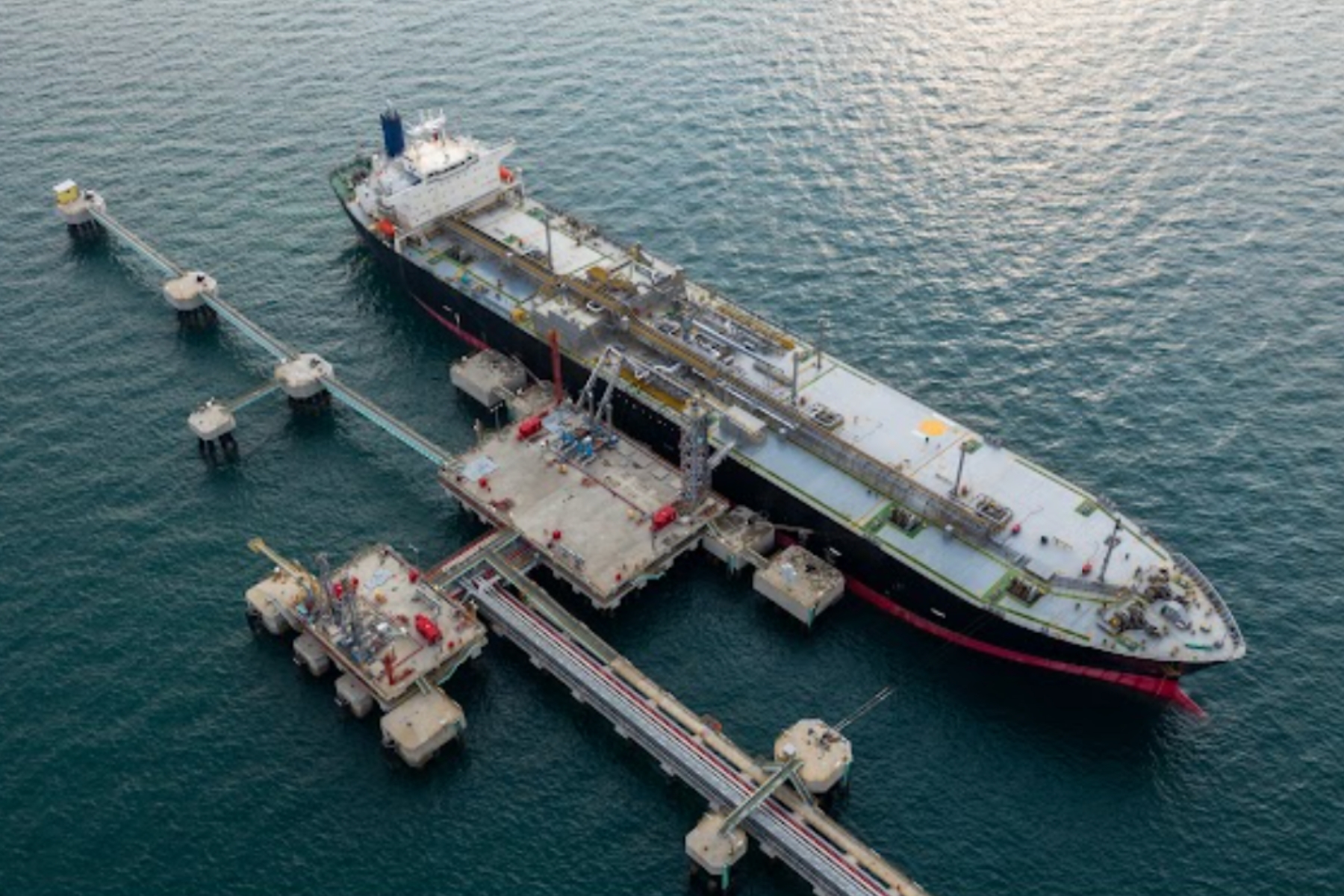 18.08.2026
How Digitalization Is Transforming Energy Infrastructure
Energy infrastructure has traditionally depended on physical assets: terminals, equipment, transport, facilities, and storage.However, the performance of these assets increasingly…
18.08.2026
How Digitalization Is Transforming Energy Infrastructure
Energy infrastructure has traditionally depended on physical assets: terminals, equipment, transport, facilities, and storage.However, the performance of these assets increasingly…
OXY News · 18.08.2026
Energy infrastructure has traditionally depended on physical assets: terminals, equipment, transport, facilities, and storage.
However, the performance of these assets increasingly depends on an invisible infrastructure: data.
Knowing the state of an operation allows for better decision-making.
Information on inventory levels, consumption, deliveries, capacity utilization, or maintenance can help anticipate needs.
For decades, many pieces of equipment were maintained according to set schedules or after a failure occurred.
The incorporation of sensors and data analysis allows for an evolution toward predictive models.
The goal is to identify signs of deterioration before an interruption takes place.
Data allows for the analysis of routes, times, and asset utilization.
Small improvements in these variables can generate significant cumulative benefits in large-scale operations.
Energy demand can change depending on economic activity, season, production, and many other variables.
Analytical models make it possible to make more accurate forecasts and plan inventories more efficiently.
Digitalization does not replace infrastructure. It enhances it.
A connected terminal, facility, or vehicle can produce information that helps increase efficiency and safety.
The energy future will increasingly combine:
Physical Infrastructure + Information + Automation + Data Analysis.
Companies capable of integrating these elements will be able to make faster decisions and build more resilient operations.
 18.08.2026
Compliance in the Energy Sector: Why It Is Part of Operations, Not Just a Requirement
The energy sector operates within an exceptionally complex regulatory environment.Permits, safety, environmental standards, trade, transport, storage, taxation, and commercial rel…
18.08.2026
Compliance in the Energy Sector: Why It Is Part of Operations, Not Just a Requirement
The energy sector operates within an exceptionally complex regulatory environment.Permits, safety, environmental standards, trade, transport, storage, taxation, and commercial rel…
OXY News · 18.08.2026
The energy sector operates within an exceptionally complex regulatory environment.
Permits, safety, environmental standards, trade, transport, storage, taxation, and commercial relationships can involve various obligations.
Because of this, compliance should not be understood simply as an administrative function.
It must be part of the operation itself.
A culture of compliance seeks to reduce risks before they materialize.
This requires clear policies, defined responsibilities, documentation, and internal supervision mechanisms.
It also implies establishing processes to identify potential risks related to third parties.
Properly knowing clients, suppliers, and commercial partners has become a fundamental practice.
An evaluation can consider corporate structure, ultimate beneficial owners, background, permits, and other relevant factors according to the business relationship.
The goal is to reduce legal, operational, and reputational risks.
A documented operation makes it possible to know what happened, who participated, and under what procedures.
Traceability facilitates audits and improves a company's ability to respond to any review.
Compliance also depends on how an organization makes decisions.
Defining responsibilities, authorization mechanisms, and reporting channels strengthens internal control.
Compliance also carries a commercial dimension.
Clients, financial institutions, investors, and partners increasingly value working with organizations capable of demonstrating clear and transparent processes.
Therefore, compliance should be considered an investment in trust.
A modern energy infrastructure must not only be efficient. It must also operate under principles of integrity, safety, traceability, and responsibility.
Let’s build the next project
Infrastructure, logistics, oilfield services and energy supply.
OXY information
Learn more about our capabilities, operations and strategic infrastructure.
Ensuring the operational continuity and competitiveness of industrial plants in the country requires flawless technical planning. Choosing a partner to deploy strategic energy infrastructure in Mexico must be based on logistical integration capabilities, strict compliance with the current regulatory framework, and the feasibility of interconnection to the national grid. This analysis provides Directors, CFOs, COOs, and Operations Managers with guidelines to audit development companies without risking capital. At OXY NRG, we are a Mexican firm specialized in the supply, development, and operation of energy, industrial, logistical, and port projects.
Selecting a technical partner requires going beyond reviewing initial financial budgets. An industrial energy project developer must demonstrate strength in managing permits before sector authorities and master transmission engineering.
Regulatory stagnation or a lack of capacity at local substations halts large-scale investments.
The chosen company must demonstrate experience in designing custom infrastructure, ranging from pipelines and storage facilities to cogeneration schemes. When evaluating Infrastructure and Storage options, operational management must demand technical files that prove a track record free of regulatory sanctions. At OXY NRG, we orchestrate every stage of development to ensure that the contracted capacity aligns with your plant's projected growth.
Quote Security Services Now.
Voltage drops and capacity constraints at transmission nodes threaten the commercial traction of manufacturing firms. A power supply plan for industrial plants must incorporate backup systems and smart grid solutions that mitigate flow disruptions.
Precise Interconnection Studies: Validate the actual availability of the delivery point prior to starting civil works.
Port and Terrestrial Integration: Connect the supply of inputs with maritime or rail logistics nodes to diversify molecule sources.
Grid Code Compliance: Equip facilities with technology that ensures power quality and prevents financial penalties.
Protect your company today. Contact us!
Before signing long-term agreements, it is advisable to validate the developer's robustness in handling hydrocarbons and electricity. [Connect your assets with our distribution network and logistical integration] to ensure the uninterrupted flow of your production processes. The deployment of energy infrastructure projects in Mexico executed by OXY NRG reduces your corporate operational volatility.
Projecting the energy sovereignty of an industrial complex involves preparing facilities for the gradual incorporation of cleaner sources. Engineering must anticipate equipment conversion without requiring the total replacement of existing infrastructure.
Speak with an expert on WhatsApp.
Omitting the verification of rights-of-way and environmental feasibility prior to construction.
Relying on a single supply node without redundancy or on-site storage schemes.
Underestimating management timelines with regulatory entities in the energy sector.
Securing the growth of an industrial complex in the domestic market demands moving away from improvised solutions that compromise operational continuity. Selecting the appropriate strategic energy infrastructure in Mexico represents the single most important technical decision to protect profit margins and sustain production. Working with experienced integrators guarantees regulatory compliance and provides long-term stability to your facilities.
At OXY NRG, we deliver cutting-edge Mexican engineering to turn supply challenges into lasting competitive advantages.
Explore our supply and clean energy transition solutions, or Schedule a meeting with an advisor to analyze the specific requirements of your industrial park or plant.
View all FAQsEnergy infrastructure is the set of facilities, equipment, systems, and processes that allow for the reception, storage, transport, distribution, and utilization of different energy sources. It includes physical assets and technological tools that make it possible for energy to reach points of demand safely and efficiently.
Energy infrastructure is one of the fundamental elements for the operation of industrial, commercial, and logistical activities. While attention is usually focused on energy generation or availability, having sufficient infrastructure to move and manage it is equally important.
Depending on the type of energy and the activity carried out, infrastructure may include:
Storage facilities
Terminals
Transport systems
Port infrastructure
Industrial facilities
Measurement and monitoring systems
Safety equipment
Digital platforms for supervision and control
All these elements form part of a chain in which every stage must function in a coordinated manner.
A company can have a market, a plant, machinery, and personnel, but if it lacks a reliable energy supply, it can face interruptions that affect its productivity.
For this reason, energy infrastructure is directly related to concepts such as operational continuity, competitiveness, safety, and growth capacity.
Companies planning new investments also consider infrastructure availability as part of their site selection and expansion decisions.
Energy infrastructure should not be analyzed in isolation.
A storage center, for example, requires adequate means to receive products, keep them under appropriate conditions, and subsequently deliver them.
In this way, infrastructure and logistics form part of the same chain.
From a corporate perspective, OXY NRG can address these topics with a comprehensive vision of the energy sector, considering the relationship between infrastructure, logistics, technology, and industry needs.
Furthermore, energy infrastructure development requires a long-term vision, because current needs may shift as technology, industrial demand, and consumption models evolve.
View all FAQsEnergy logistics encompasses the processes required to plan, transport, store, distribute, and deliver energy products or resources from their point of origin to where they will be utilized.
Unlike other logistical activities, energy logistics requires taking additional aspects into account related to safety, specialized infrastructure, regulation, traceability, and supply continuity.
An energy logistics chain can involve different stages:
Demand planning
Procurement and supply
Transport
Storage
Distribution
Delivery scheduling
Monitoring
Traceability
Risk management
The importance of each stage depends on the product, the available infrastructure, and the consumer's needs.
The existence of an energy product does not guarantee that it will be available to the end user.
It is also necessary to have a chain capable of moving it efficiently and safely.
A delay in transport, insufficient storage capacity, or a route interruption can affect the operations of companies relying on a continuous supply.
For this reason, energy logistics forms part of any operational continuity strategy.
Digitalization is transforming how energy supply chains are managed.
Information systems can help track inventory, monitor movements, analyze consumption, and improve scheduling.
This enables decision-making backed by better information and allows potential deviations to be detected before they turn into problems.
Organizations participating in the energy sector can perform different functions within this chain.
In the case of OXY NRG, infrastructure and logistics form part of a comprehensive industry vision, while the specific activities of OXY Services and OXY Distribution must be understood according to the corporate and operational functions assigned to each entity.
This differentiation is important for properly understanding how an energy chain functions.
View all FAQsEnergy storage makes it possible to maintain available inventories to meet operational needs and reduce vulnerability to variations among supply, demand, and delivery lead times.
Storage represents a strategic element because it connects different moments in an energy chain.
A storage facility can receive product, keep it under appropriate conditions, and facilitate its subsequent distribution to other points.
This allows for managing gaps between:
what is needed → when it is needed → when it can arrive.
The required storage capacity depends on factors such as:
Type of energy resource
Consumption volume
Location
Demand
Available infrastructure
Replenishment lead times
Logistical characteristics
For certain industries, a supply interruption can affect production, transport, or services.
Having adequate inventory can provide a margin of response during contingencies.
However, storing more product does not always equate to a better strategy.
An excessive inventory level can create additional costs and operational burdens.
Therefore, management must seek a balance between availability, safety, efficiency, and real demand.
Digital tools can help monitor inventories, movements, and available capacity.
Updated information improves planning and anticipates needs.
Additionally, monitoring systems can contribute to identifying conditions that require operational attention.
Storage should not be considered an isolated element.
It must be coordinated with transport, distribution, infrastructure, and demand.
For companies like OXY NRG, energy infrastructure analysis requires precisely this comprehensive perspective.
The efficiency of an energy chain depends on every component—including storage—being properly sized and coordinated.
View all FAQsEnergy security is the capacity to guarantee a sufficient, reliable, and continuous energy supply to satisfy the needs of a society, industry, or organization.
It does not depend solely on having energy resources. It also requires infrastructure, storage, transport, distribution, and response capacity when disruptions occur.
Among the main elements of energy security are:
Supply availability
Infrastructure
Diversification
Storage
Transport
Distribution
Technology
Planning
Risk management
The combination of these elements builds more resilient supply chains.
Although the concept is usually associated with governments and national grids, it is equally relevant to businesses.
An organization might ask itself:
What would happen if our primary supplier could not deliver?
Do we have alternatives?
How much inventory do we need?
Are there alternative routes?
Which infrastructure is critical?
How long could we operate during an outage?
Asking these questions incorporates energy management into overall corporate risk management.
Overreliance on a single supplier, route, or facility increases vulnerability.
Diversification does not necessarily mean duplicating all assets.
It can consist of having different options for supply, transport, storage, or technology.
Energy security also requires anticipating change.
Industrial demand can grow, technologies can evolve, and company needs can shift.
For this reason, organizations like OXY NRG can contribute to sector analysis from a perspective that integrates infrastructure, logistics, technology, and operational continuity.
Energy security is not simply about having energy today, but about building the conditions necessary to count on it reliably in the future.
View all FAQsA company can reduce energy risks through a combination of planning, diversification, infrastructure, storage, monitoring, and supplier management.
The first step consists of identifying the most vulnerable points in the supply chain.
Some key factors include:
Supplier Dependency: Knowing what percentage of supply depends on a single vendor and what alternatives exist.
Logistics Routes: Identifying main routes and determining if alternatives exist in case of disruption.
Inventories: Determining what inventory level is appropriate for operational needs and risks.
Critical Infrastructure: Identifying which facilities are indispensable for maintaining operations.
Future Demand: Planning should look beyond current consumption; a expanding company must project its future energy needs.
Technology grants greater visibility over consumption, inventory levels, deliveries, and asset performance.
This information can be used to detect patterns and anticipate needs.
An energy strategy should always prepare for disruption scenarios.
The question is not only:
"What do we do if everything functions normally?"
...but also:
"What do we do if part of the chain stops working?"
Having pre-defined procedures improves response times and capabilities.
Reducing risks does not necessarily mean increasing costs.
In many cases, improving planning, data integration, and coordination creates efficiencies.
Nearshoring relates to relocating or expanding productive activities closer to primary consumer markets.
When a company evaluates establishing operations in a specific region, it analyzes far more than the cost of land.
It also evaluates infrastructure, transportation, utility availability, talent, and energy supply.
An industrial plant needs energy to produce.
However, logistics centers, warehouses, refrigeration systems, commercial facilities, and local suppliers also require energy.
Therefore, any region attracting new investments must feature sufficient infrastructure to support growing demand.
Energy cost is important.
However, for an industrial operation, reliability is equally critical.
An outage can disrupt:
Production
Deliveries
Machinery
Contracts
This makes energy security a pillar of industrial competitiveness.
Nearshoring creates new opportunities to upgrade energy and logistics infrastructure.
Terminals, storage facilities, transport networks, and distribution channels may all require expansion or modernization.
In this context, companies like OXY NRG participate within an ecosystem tied to infrastructure and energy.
The opportunity lies not only in attracting investment, but in developing the necessary conditions for those investments to operate efficiently for years to come.
View all FAQsThe energy transition is the process by which energy systems adopt new sources, technologies, and consumption models aimed at increasing efficiency and reducing environmental impacts.
It is not an instantaneous shift.
It is a progressive transformation involving technology, infrastructure, investment, regulation, and shifts in consumer habits.
An energy transition does not rely solely on generating power from new sources.
That energy must also be transported, stored, and distributed.
This means infrastructure must evolve alongside new generation technologies.
An industrial facility has vastly different needs compared to a logistics hub.
Some operations require continuous power, others need long-distance mobility, and others demand specific thermal or industrial characteristics.
Therefore, the transition must account for the unique demands of each activity.
For an energy- and infrastructure-focused organization like OXY NRG, the energy transition represents an evolving landscape where infrastructure, logistics, technology, and efficiency become increasingly important.
The energy transition must be approached with a pragmatic perspective: how to make energy systems progressively more efficient and sustainable without compromising reliability.
The energy transition is a gradual process that depends on technology, infrastructure, regulation, costs, availability, and specific industry requirements.
Some applications can move rapidly toward electrification, while others require different alternatives.
Industrial processes present distinct technical demands.
Certain operations require:
Continuous power
High energy density
Specific working temperatures
Long-distance mobility
Dedicated storage
Specialized infrastructure
Technological substitution must account for these realities.
A well-planned energy transition must maintain supply reliability.
Reducing emissions is a crucial goal, but guaranteeing that companies and communities have access to adequate energy is equally vital.
New technologies require matching infrastructure.
For example, increased electrification requires adequate generation capacity, transmission, distribution, and eventually storage.
As a result, the energy transition is fundamentally an infrastructure transition as well.
The evolution of the energy system will likely be characterized by the coexistence of different technologies over extended periods.
The goal is to adopt more efficient and sustainable solutions as technical and economic conditions allow.
For organizations in the sector, such as OXY NRG, this means viewing the transition not merely as a change of fuel or technology, but as a comprehensive transformation of infrastructure and energy value chains.
View all FAQsOxy Services fuel does not apply rigid traditional commercial credit schemes or generic financing, but rather offers advanced financial flexibility through Transaction Structuring. Through this model, Oxy Services designs customized commercial contracts tailored precisely to the volumetric demands and cash flow capabilities of large maritime and trucking fleets. Furthermore, these transactions incorporate price-hedged trading schemes to safeguard against international energy price volatility, guaranteeing continuous, predictable supply backed by company-owned physical storage capacity.
Shipping and heavy transport fleets are exposed to constant fluctuations in international oil prices. To protect corporate profitability, Oxy Services integrates price-hedged trading instruments and financial engineering into its marketing services. This allows fleet operators to fix or cap fuel acquisition rates over agreed terms, ensuring stable operating margins without relying on daily market volatility.
Fuel supply for vessels and land transport is supported by a robust multimodal logistics network composed of more than 10 specialized companies. This infrastructure links the Pacific Ocean (Guaymas, Sonora) with the Gulf of Mexico (Tuxpan and Veracruz), offering tanker discharge services, single point mooring (SPM) and marine hose operations, as well as land distribution via CRE-authorized tank trucks. Consequently, fleets receive Oxy Services fuel consistently at ports, terminals, or distribution yards.
To eliminate the risk of volumetric discrepancies, facility locations integrate Custody Transfer Metering Systems, which quantify delivered volume with fiscal precision. Additionally, tank truck loading and transfer operations utilize the patented OXYLOADER technology (registered with IMPI), optimizing rack dispatch times and ensuring digital traceability. All distributed Ultra-Low Sulfur Diesel (ULSD) complies with the NOM-016-CRE-2016 standard and carries quality certificates issued by renowned, independent international laboratories such as Amspec.
Partnering with OXY NRG means working directly with a long-term operator and facilitator of real infrastructure assets:
Century-Long Expertise and Heritage: Founded on a fuel management tradition dating back to 1927, the company is consolidated under its fourth generation of leadership as it approaches its institutional centennial in 2027.
Full Value-Chain Control: Offers an operational model backed by storage terminals, maritime infrastructure, and a company-owned transport fleet.
Governance and Legal Certainty: Operates under internal due diligence audits (Know Your Customer / KYC), rigorous tax compliance with up-to-date import declarations, and active permits issued by the CRE and SENER.
Zero Incident Rate: All maritime, port, and land maneuvers are executed under the Operational Integrity Management System (SGIO), guaranteeing maximum operational safety and spill prevention.
This service is the strategic solution to supply major energy consumers such as trucking companies and shipping fleets. The division manages Commodity Origination to source and directly import clean fuels (such as Ultra-Low Sulfur Diesel) from international refineries. Through Transaction Structuring, the team designs customized commercial contracts that combine flexible delivery models, financial hedging against market volatility, and asset-backed distribution through owned storage terminals—delivering maximum budgetary and operational certainty.
Avoid cost uncertainty and liquidity constraints caused by rigid traditional purchasing structures. Design a structured, secure supply plan backed by real physical infrastructure with OXY NRG.
View all FAQsTo request a wholesale industrial diesel quote from Oxy Services fuel, the process is managed directly through its commercial channels to conduct a technical evaluation of your required volumes, delivery location, and plant operating procedures. Based on this assessment, Oxy Services designs a tailored contract (Transaction Structuring) that integrates large-scale supply structuring (Commodity Origination) and price-hedged trading schemes to protect your budget against international energy price volatility. Formalization is executed under a rigorous corporate governance and compliance framework (Know Your Customer / KYC), fully backed by the group's Operational Integrity Management System (SGIO).
Unlike commercial brokers who resell fuel without owning physical assets, OXY NRG stands out as a long-term operator and facilitator of real infrastructure assets:
Owned Physical Infrastructure with National Footprint: The group brings together over 10 specialized companies operating storage terminals, transfer racks, and multimodal logistics systems.
Century-Long Heritage and Expertise (Since 1927): Backed by four generations dedicated to safe fuel management in Mexico, the firm steadily advances toward its institutional centennial.
Governance and Zero Incident Rate: Maintains strict due diligence protocols (Know Your Customer / KYC) and operates under an Operational Integrity Management System (SGIO) with an impeccable track record of zero major incidents or spills.
This specialized service is engineered to meet the large-scale fuel requirements of the industrial, mining, and transport sectors. The division handles Commodity Origination, directly identifying, purchasing, and importing Ultra-Low Sulfur Diesel (ULSD) from international refineries. Through Transaction Structuring and price-hedged trading models, OXY NRG provides a guaranteed, legal, and traceable physical supply supported by company-owned storage terminals.
Do not jeopardize your plant operations with distributors lacking physical infrastructure or tax certainty. At OXY NRG, we design bulk supply contracts tailored to your company's scale and strategic goals.
View all FAQsThe fundamental difference lies in the fact that traditional distributors operate mostly as paper commercial intermediaries without owned physical assets, exposing companies to operational vulnerabilities, unforeseen price volatility, and a lack of product traceability. In contrast, contracting with Oxy Services means partnering directly with a long-term operator and facilitator of real energy infrastructure. This model guarantees physical ownership of the molecule from its legal import, storage in dedicated terminals, digital traceability for every batch, and customized Oxy Services fuel contract structures with financial hedges to shield the client's operating budget.
➤ Click here to request a personalized commercial consultation with an Oxy Services specialist.
Choosing OXY NRG represents establishing a strategic partnership with a permanent asset operator boasting maximum corporate strength in Mexico:
Solid Century-Long Heritage: Built upon a family tradition started in 1927, currently managed by its fourth generation as it approaches its institutional centennial in 2027.
Full Value-Chain Control: Integration of over 10 highly specialized companies across storage, logistics, marketing, and oilfield services.
Ethical Governance and Zero Incident Rate: Strict adherence to due diligence protocols (Know Your Customer / KYC) and operation under the Operational Integrity Management System (SGIO), maintaining an impeccable historical record of zero major incidents or spills.
This specialized service is engineered to comprehensively address the energy demands of large industrial consumers. The team coordinates Commodity Origination to source and directly import Ultra-Low Sulfur Diesel (ULSD) from international refineries. Through tailored contract design (Transaction Structuring) and price-hedged trading models, Oxy Services guarantees safe, traceable, and legally shielded physical deliveries directly into client tanks, fully backed by the group's owned storage capacity.
Do not jeopardize your company's operations with traditional distributors lacking physical infrastructure and legal certainty. Design a bulk supply plan tailored to your plant's operational and financial needs.
➤ Click here to contact an OXY specialist and request your commercial feasibility analysis.
View all FAQs