
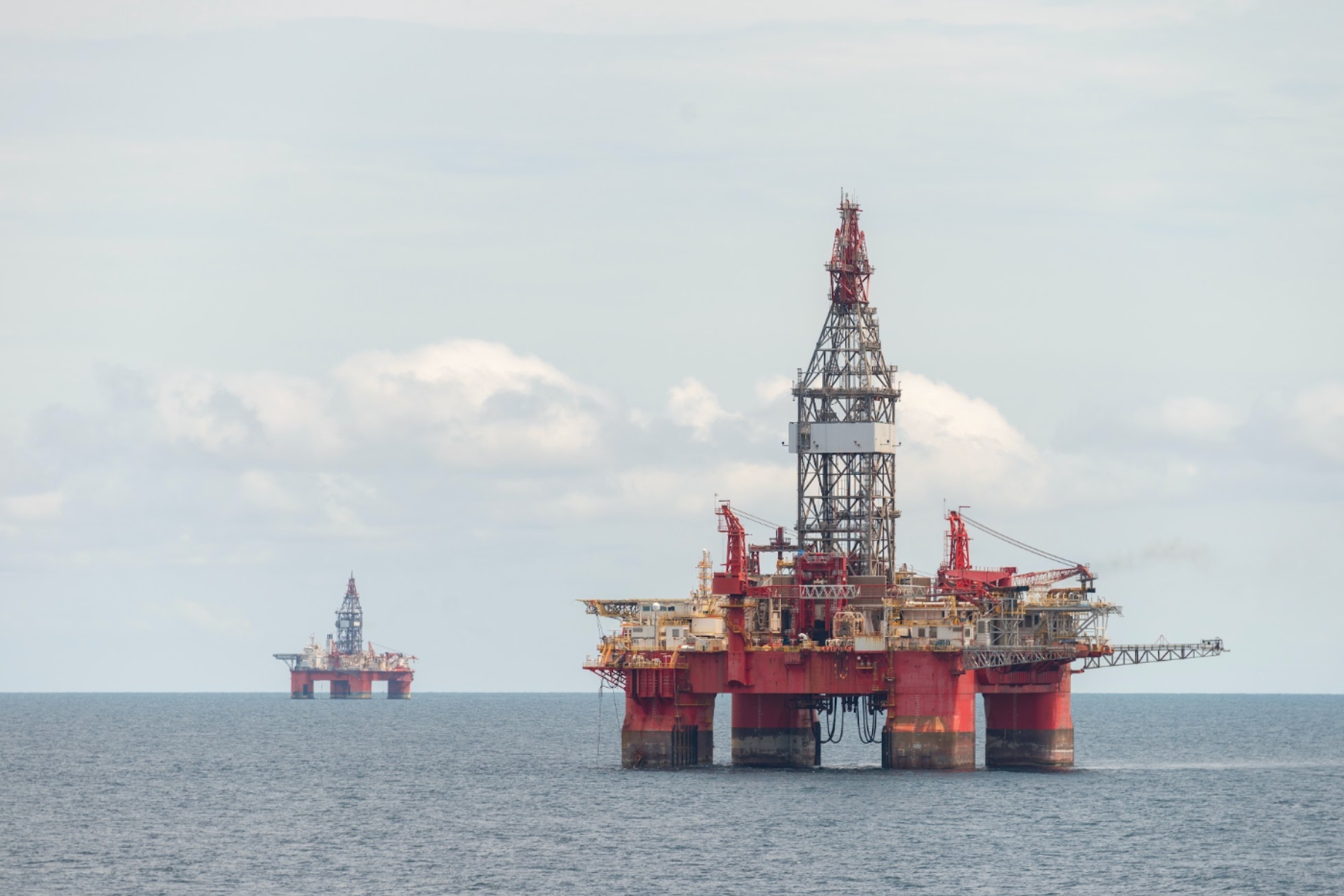
Energy security can be summarized in one question:
Can we obtain the energy we need when we need it?
However, answering it requires analyzing numerous elements.
Availability
The first component is having sufficient supply sources.
An economy highly dependent on a single origin can be vulnerable to external shifts.
Infrastructure
Resource availability does not guarantee that it can be used.
There must be infrastructure capable of receiving, transporting, storing, and distributing it.
Diversification
The most resilient chains usually rely on different alternatives.
This can include suppliers, routes, and technologies.
Storage Capacity
Inventories make it possible to respond temporarily to variations between supply and demand.
In certain operations, they can represent a strategic continuity tool.
Planning
Energy security also requires foresight.
Understanding consumption trends and potential risks helps prepare responses before a contingency occurs.
A Corporate Matter
Although energy security is usually discussed at a national level, every company also possesses its own energy security strategy.
An organization can ask itself:
What happens if our primary supplier fails?
Do we have a logistics alternative?
How long can we maintain operations?
Do we have sufficient inventory?
Can we use other energy sources?
These questions turn energy into a risk management decision.
For industrial, logistics, and infrastructure sectors, energy security is not an abstract concept. It is a necessary condition to operate, invest, and grow.