
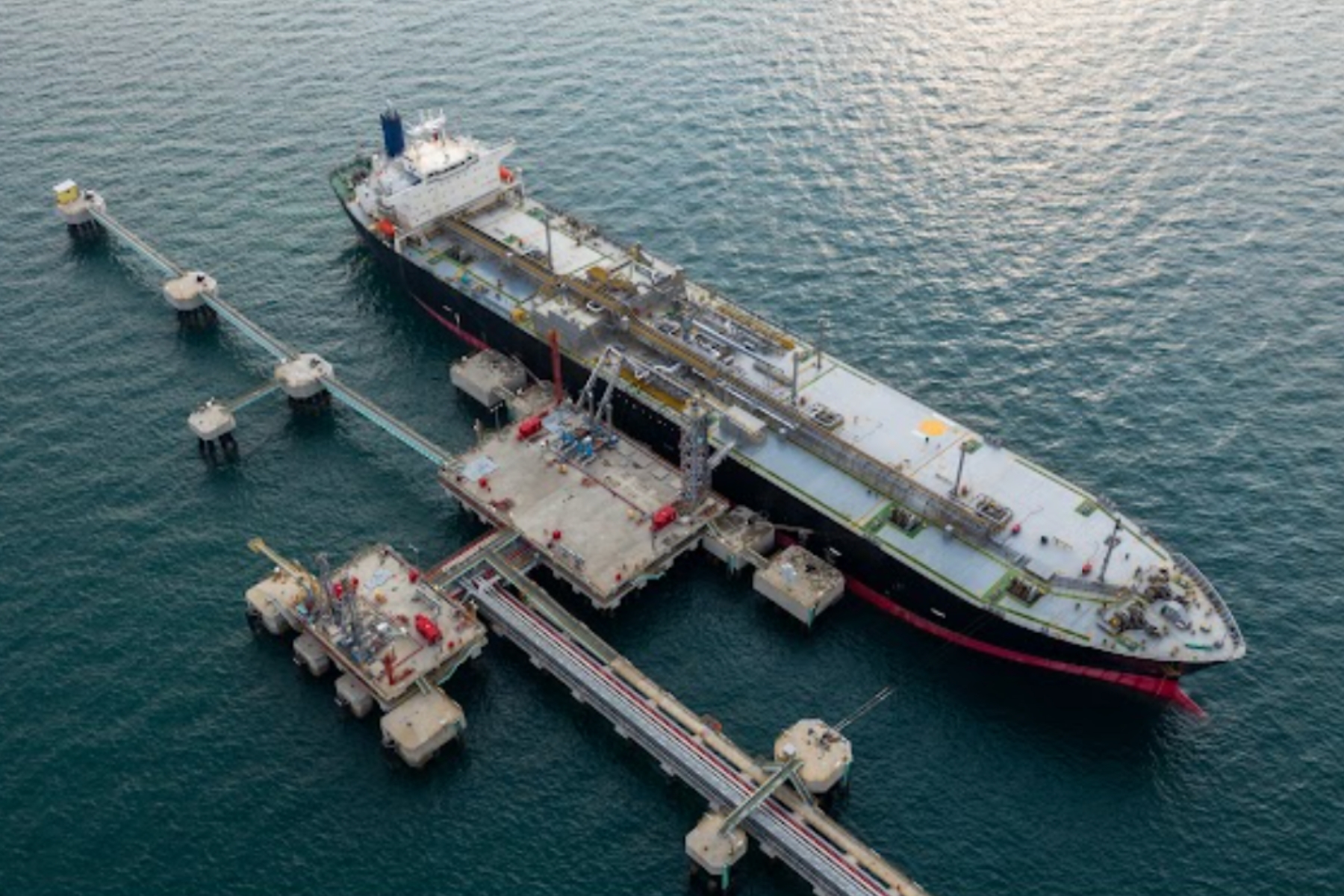
Energy infrastructure has traditionally depended on physical assets: terminals, equipment, transport, facilities, and storage.
However, the performance of these assets increasingly depends on an invisible infrastructure: data.
Real-Time Visibility
Knowing the state of an operation allows for better decision-making.
Information on inventory levels, consumption, deliveries, capacity utilization, or maintenance can help anticipate needs.
Predictive Maintenance
For decades, many pieces of equipment were maintained according to set schedules or after a failure occurred.
The incorporation of sensors and data analysis allows for an evolution toward predictive models.
The goal is to identify signs of deterioration before an interruption takes place.
Logistics Optimization
Data allows for the analysis of routes, times, and asset utilization.
Small improvements in these variables can generate significant cumulative benefits in large-scale operations.
Demand Forecasting
Energy demand can change depending on economic activity, season, production, and many other variables.
Analytical models make it possible to make more accurate forecasts and plan inventories more efficiently.
The Physical Asset Becomes Intelligent
Digitalization does not replace infrastructure. It enhances it.
A connected terminal, facility, or vehicle can produce information that helps increase efficiency and safety.
The energy future will increasingly combine:
Physical Infrastructure + Information + Automation + Data Analysis.
Companies capable of integrating these elements will be able to make faster decisions and build more resilient operations.