
For many years, efficiency was one of the main objectives of supply chains.
Today, another equally important concept exists: resilience.
An efficient chain functions correctly under normal conditions. A resilient chain also has the capacity to respond when conditions cease to be normal.
Identifying Vulnerabilities
Building resilience begins by identifying critical operational points.
These may include:
Dependence on a single supplier
Dependence on a single logistics route
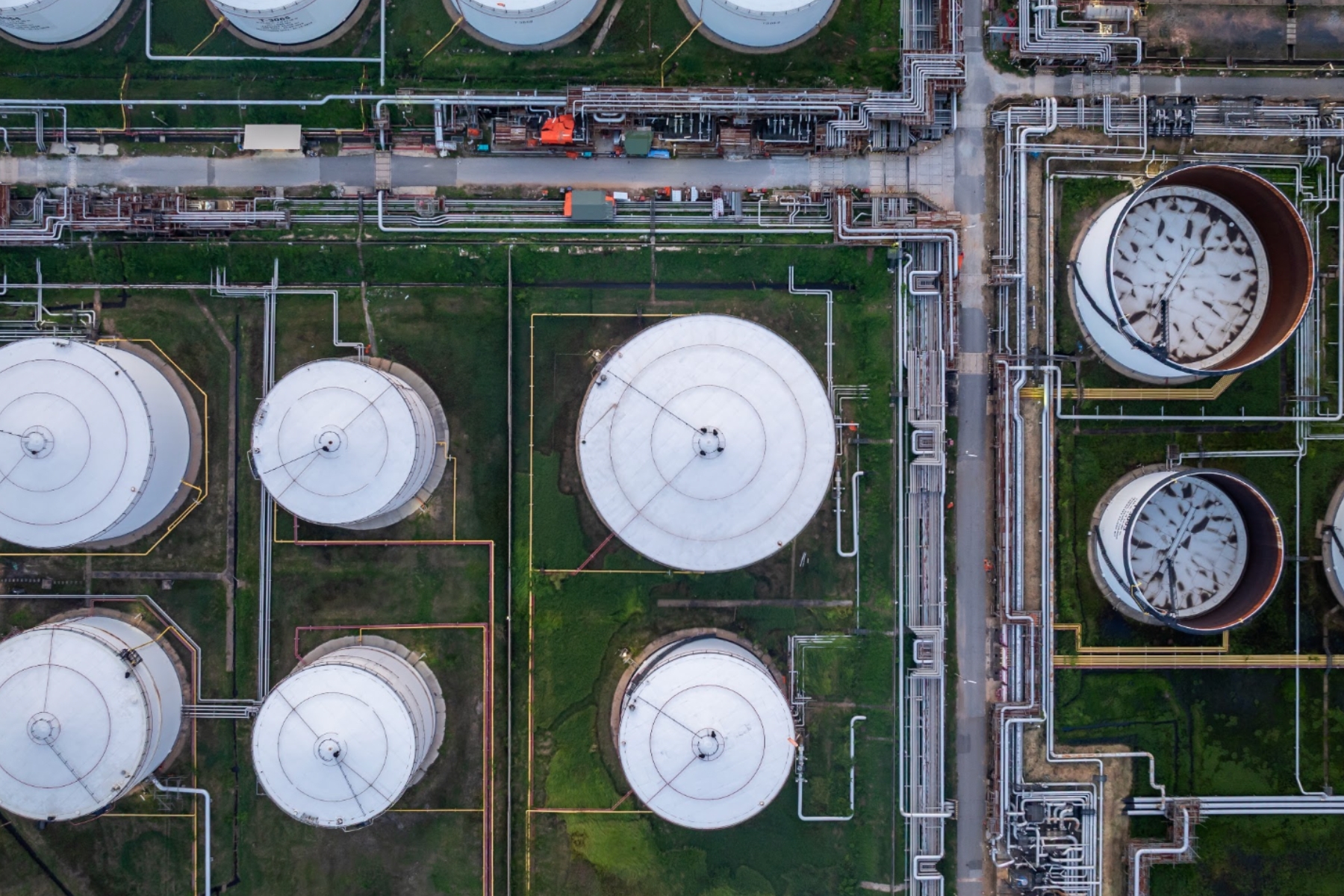
Limited storage capacity
Seasonal demand variations
Critical infrastructure
Replenishment lead times
Geographic concentration
Knowing these variables allows for the development of contingency scenarios.
Diversification
Diversification can involve suppliers, routes, transport modes, or storage alternatives.
It does not necessarily mean duplicating all resources, but rather preventing a single point of failure from stopping the entire operation.
Inventory Planning
Storage fulfills a strategic function.
Adequate inventories make it possible to absorb demand fluctuations and respond temporarily to interruptions.
However, storage also generates costs.
Therefore, the objective is not simply to maintain the largest possible amount of product, but to determine efficient inventory levels according to real needs and operational risks.
Information and Technology
A resilient chain needs visibility.
Knowing inventory levels, consumption, routes, deliveries, and future needs facilitates anticipating problems before they turn into interruptions.
Data allows for a shift from a reactive operation to a predictive operation.
Resilience as a Competitive Advantage
In an environment where international events, weather conditions, logistics availability, and demand can change rapidly, guaranteeing continuity represents a business advantage.